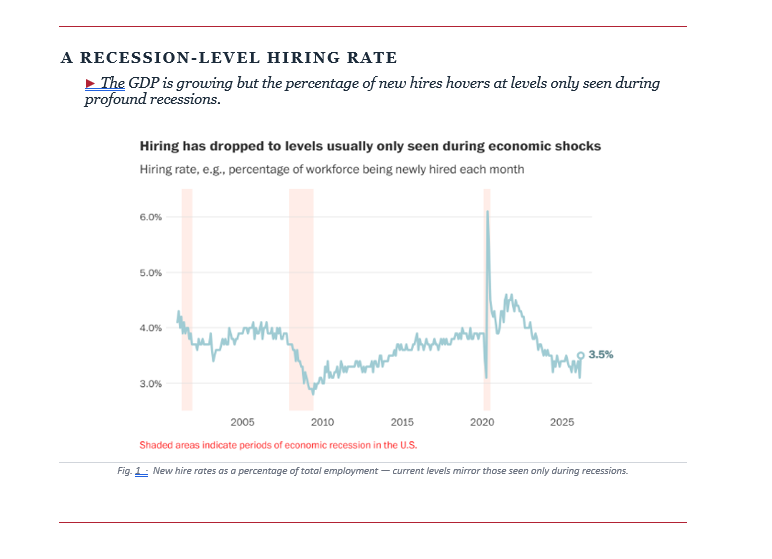
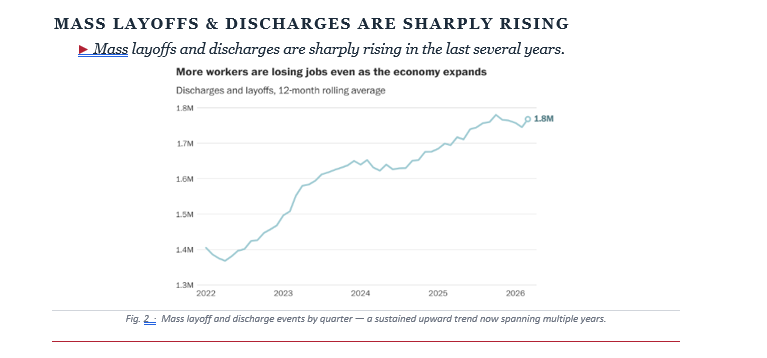
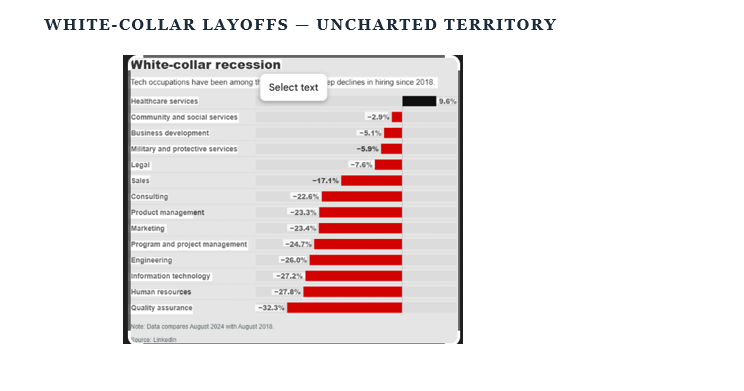
We Are Experiencing An Unprecidented Economic Slow Down That Should Cause Job Center Programs To Consider Whether Their Longstanding Service Delivery Models Are Up To The Challenge
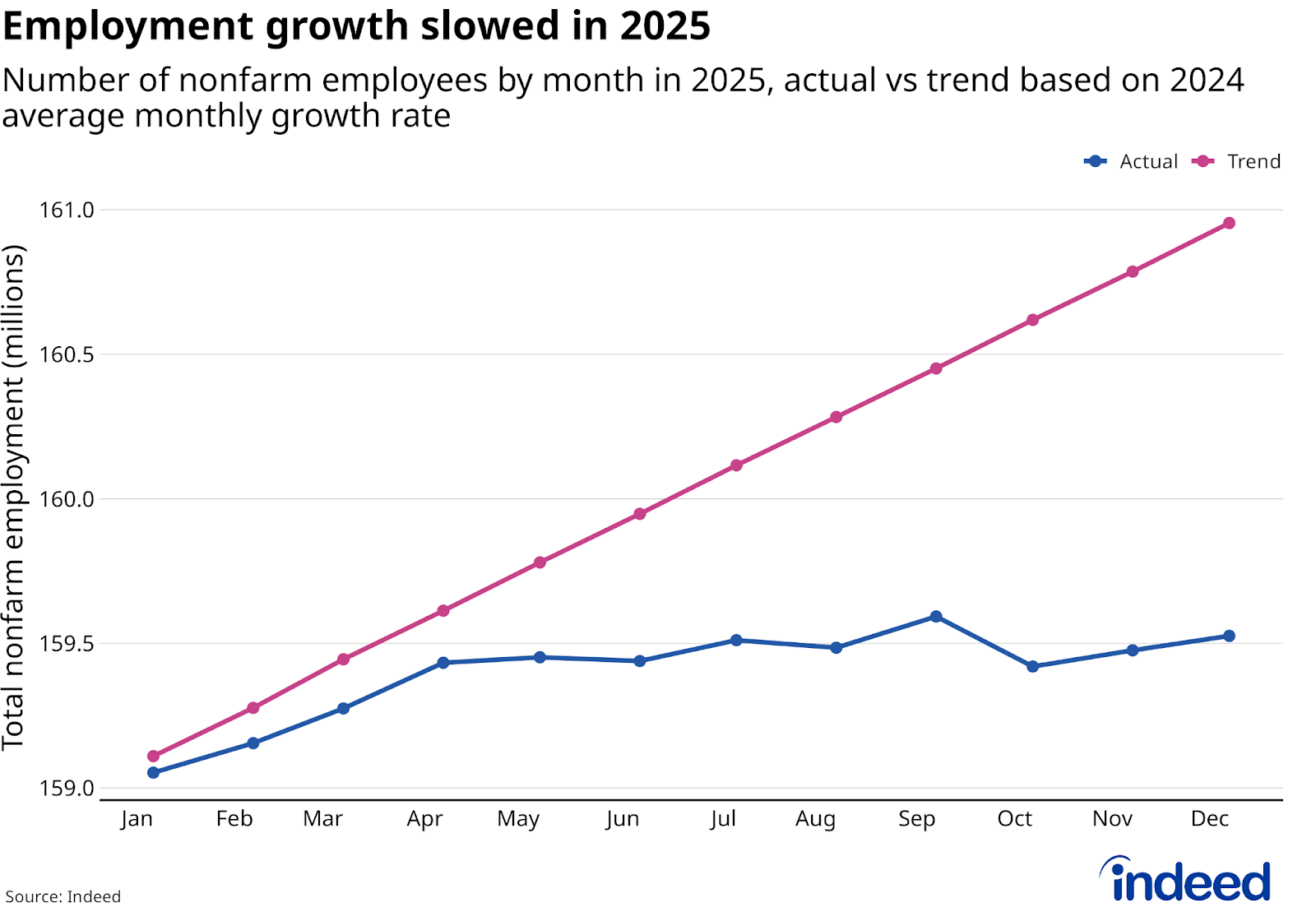
If the pace of job creation had been roughly even with 2024 (which was in itself well below levels seen in 2021-2023), employers would have added more than 1.4 million more jobs in 2025 than were actually realized. This would have resulted in 1.3% growth in employment in 2025 rather than the 0.4% growth that was recorded. Payroll employment was revised downward for both October and November, resulting in 76,000 fewer jobs added than previously announced. In total, US employers added an estimated 584,000 jobs in 2025, the worst year since 2009 (outside of COVID) and far below the 2 million added in 2024. Source: Indeed Hiring Lab
An Alternative Job Search Assistance Model
Assisting clients to effectively brand themselves, showcase their productivity, their skills, and their work character.
Transferrable Skills Are The Key To Successful Self-Branding Towards Employment
The same skills are applied in many different occupational contexts in civilian and military settings. The same with tools and technology. Identifying past experience in the context of target occupations allows job seekers to market their past in a compelling manner that makes them competitive with others.
Learn more →Career Exploration That Works
Our "What If?" tool shows people real, in-demand jobs that pay better than where they started. No degree required. Better stability. Real market data so they see actual wages and job availability before they commit to a path.
Learn more →From Assessment to Sustainable Work
This is your clients' Path To A Job
Pick a Target Occupation
Includes economic mobility career exploration for low-income clients
Build Their Case
Demonstrate relevant skills and accomplishments to successfully compete for their target occupation
Get Fully Prepared
Get fully prepared to successfully interview
Built for Your Team and Their Clients
Occupational Data Integration
All guidance pulls from O*NET occupational data so job targeting is based on real labor market demand, not guessing.
Networking Tool
Access to all local businesses that staff their target occupation. Networking guidance included to make those connections count.
Military-to-Civilian Translation
Military service translates directly as comparable work experience. No more "I just did military stuff." It becomes occupational value.
Compelling Content Blocks
Same resume language works in LinkedIn profiles, interviews, and networking conversations. Consistency builds credibility and interview readiness.
Education & Training Integration
Certifications, credentials, and training programs that advance their case get seamlessly woven into their positioning.
AI Generated Interview Questions
Based on skills, tools, and technologies specific to the target occupation. Clients know what to expect and can prepare thoroughly.
AI Generated Personalized Questions
Based on clients' personal resumes or summaries of qualifications. Practice interviews tailored to their unique background and experience.
Achieve Better Client Outcomes
Delivering higher wages and job stability for clients should not require expensive new services or an infusion of new staff.